Exciting results were presented during the prestigious Presidential Symposium at the European Society for Medical Oncology Congress by Dr. Georgina Long on the first late-stage clinical trial to show positive results with a personalized cancer vaccine.
This Phase 3 clinical trial, INTerpath-001, is evaluating an mRNA-based individualized neoantigen therapy (INT) called intismeran in combination with the immune checkpoint inhibitor, Keytruda. In this randomized trial the efficacy and safety of the INT combination was compared to Keytruda in combination with a placebo in patients with resectable melanoma in the adjuvant setting (treatment after surgical removal of tumor). The 1157 patients that were enrolled were at higher risk of disease recurrence and had not received prior systemic therapy.
The compelling results are particularly clinically encouraging as the combination of intesmeran and Keytruda demonstrated:
In addition, 82% of patients receiving the vaccine combination remained recurrence-free at two years, compared with 70% receiving Keytruda and placebo.
While these Phase 3 findings are highly encouraging and mark a true advancement of decades of research in the field of cancer vaccines, several important milestones lie ahead:
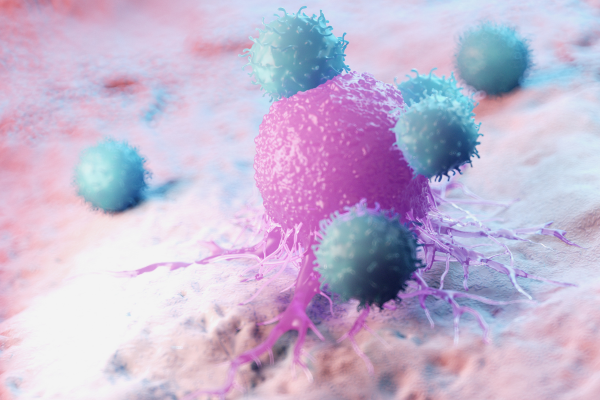
An individualized neoantigen therapeutic (ie: intesmeran) is a type of cancer vaccine that uses information called neoantigens, specifically identified in a patient’s tumor cells, to instruct the immune system to recognize residual tumors that may remain in the body and reduce the chance of recurrence and spread. This therapeutic is made by sequencing a patient’s tumor and normal DNA to find the patient’s tumor-specific mutations. The mutations create protein fragments called neoantigens that are tumor specific and have the potential to elicit specific immune responses against the tumor. The code for up to several dozen tumor-specific neoantigens can be expressed in a single mRNA molecule and delivered to the patient as a vaccine and taken up by immune cells. The instructions in the mRNA produce the tumor-specific neoantigens that are now ready to activate the patient’s immune system to recognize and destroy residual tumor that may remain.
Intesmeran is being manufactured in a way to recognize an individual’s specific tumor supporting a personalized therapeutic approach. When given in combination with immune checkpoint therapy, such as Pembrolizumab in the adjuvant setting (standard of care in melanoma for certain stages), it can add to the ability of Pembrolizumab to activate immune cells that will be able to recognize and destroy residual tumor.
This personalized mRNA therapeutic vaccine has the potential to extend beyond melanoma and have a broader impact for use in other cancers. Investigations are already underway in phase 2 and 3 trials evaluating intesmeran for bladder cancer, non-small cell lung cancer, and kidney cancer in the neoadjuvant, adjuvant or metastatic settings.