The word "rare" has many connotations and conjures up different emotions depending on the context. In terms of a vintage car or bottle of wine, "rare" can be incredibly special. In regards to an endangered species, it can mean elusive or threatened. In terms of a gemstone, teacher, or even a best friend, it can mean unique and invaluable. In the medical world, however, "rare" often elicits fear. When it comes to rare diseases that affect relatively few people, there is an inherent dearth of knowledge and effective treatments.
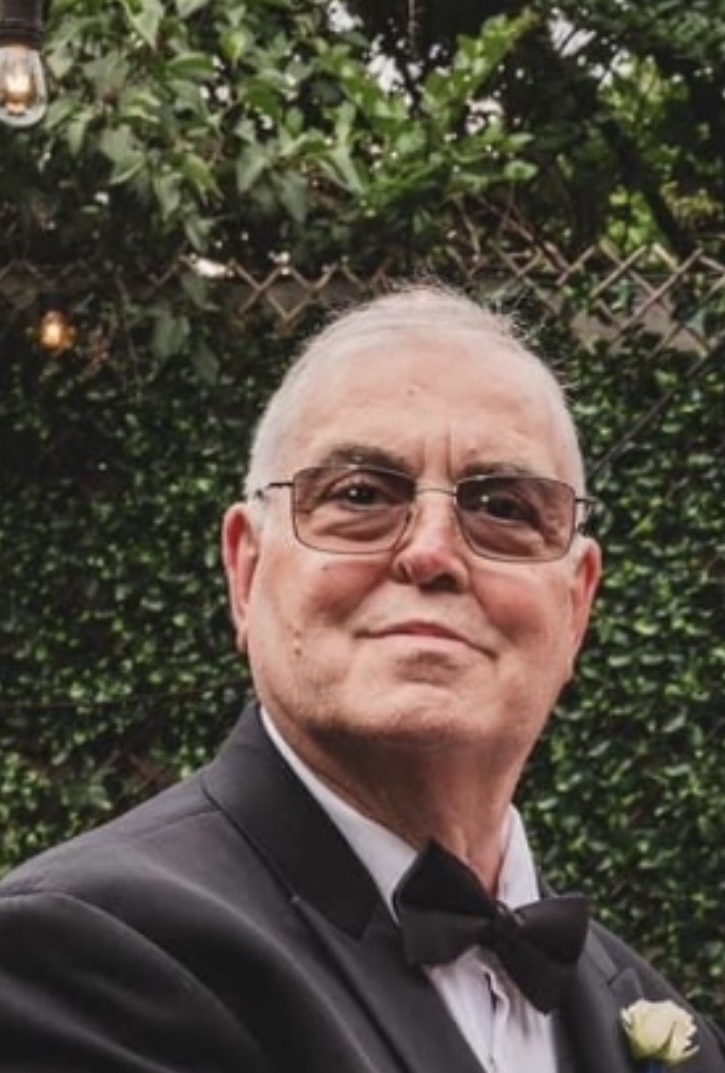
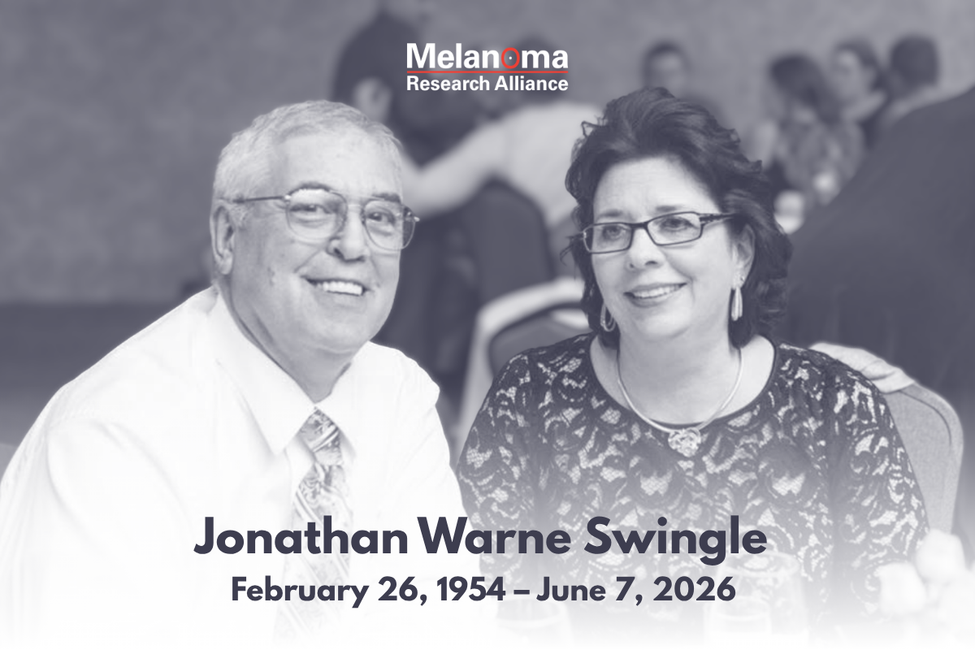
The melanoma community recently lost a powerful advocate in the rare disease space - longtime friend of the Melanoma Research Alliance (MRA) and MRA RARE Registry Patient Advisor Jonathan Swingle - who certainly embodied the word “rare” in every aspect. Jonathan’s interests and talents were boundless and he accomplished more than many could ever wish: boasting a degree from the Culinary Institute of America and excelling in the high-stress air traffic controller world for nearly 30 years ensuring safety for millions of passengers.
In his youth, Jonathan literally dodged gunshots and drowning - first by surviving an errant bullet while exploring the woods with friends and then, a freak accident off the New Jersey shore where a whale capsized his boat. While the safety protocols that Jonathan clearly later embraced as an air traffic controller would have been helpful in his youth, his ability to not only elude death but continue to thrive, is clearly very real and maybe even rare.
Jonathan’s encounters with danger did not end in the woods or on the water. He also faced four different types of cancer - three of which were quite rare. One was a 2009 mucosal melanoma diagnosis, a very rare and aggressive form of melanoma that accounts for about 1% to 2% of all diagnoses, or roughly 800 to 1,500 new diagnoses each year in the United States.
Like many patients and families facing a rare cancer diagnosis, Jonathan knew there was strength in numbers. He used the power of social media to find the few other patients that were also afflicted by this disease, and together they galvanized as a group. In 2018, the group approached MRA about formalizing efforts to drive better understanding of this very rare melanoma subtype. What happened next was a truly extraordinary leap for science: mucosal melanoma was now on the map with its own registry (MRA's RARE Melanoma Registry) and advocacy group, helping to shine a light on the expansive unaddressed needs of those with mucosal melanoma.
The RARE Registry that Jonathan helped to launch is also open to acral and cutaneous melanoma patients and will help researchers better understand the risk factors, genetics, diagnosis pathways, treatment effectiveness, adverse events, and quality of life of these patient groups.
While progress takes time, the RARE Oversight Committee - on which Jonathan tirelessly served – now drives critical research with new patient-reported data, provides support for patients, and has spurred the MRA Melanoma Biorepository, which aims to advance our understanding of disease drivers, biomarkers, and new treatment avenues for all subtypes of melanoma, with a focus on acral and mucosal.
Jonathan was among the first to contribute tissue to the biorepository, and was proud to be one of the longest survivors of mucosal melanoma. Surely a treasure has been lost with Jonathan’s passing, but a treasure trove of patient reported experiences and data will live on and lead to better outcomes.
As Jonathan said, “Nobody should feel that there are no options. Rarity should not determine access to solutions.”
"Rare" can also mean precious. The world has lost a true gentleman, and MRA will be forever grateful for all that Jonathan has contributed to the field of science and countless patients.
Before his passing, Jonathan shared some tips for newly diagnoses patients with us:


.png)
.png)
.png)