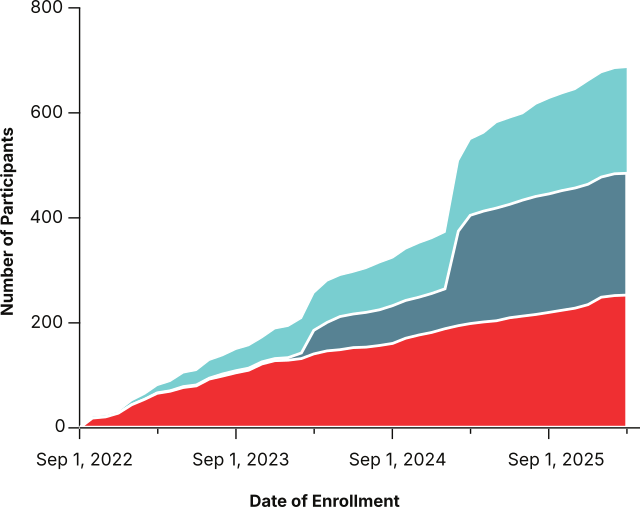
Since its launch in October 2022 through April 2026, RARE has enrolled 687 total participants across the acral, mucosal, and cutaneous melanoma subtypes.
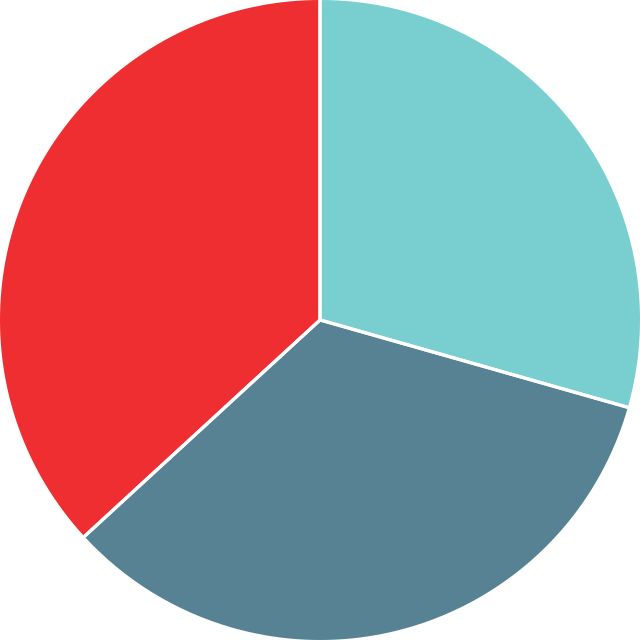
Of these, 29% of participants have acral melanoma, 37% have mucosal melanoma, and 34% have cutaneous melanoma. In the last year alone, RARE has seen a 24% increase in the number of individuals who have enrolled.
“Through the registry, patients with these rare melanoma subtypes can partner with researchers to accelerate research by helping the field better understand their unique patient journeys.”

The RARE Registry remains open for individuals with acral, mucosal, or cutaneous melanoma to enroll and share their lived experiences with the disease. Each and every individual’s experience with melanoma is important for supporting the mission of RARE—to advance research studies on improving the care and health outcomes for patients.
Here and throughout this report, “Number of Participants” shown with each graph indicates the number of RARE Registry participants who provided a response to the associated survey question.
There are several types of melanoma: the most common subtype, known as cutaneous melanoma, forms on skin that is often exposed to the sun and accounts for nearly 90% of all melanomas. The less common or rare subtypes of melanoma, such as acral and mucosal melanoma, form in parts of the body that have limited to no exposure to the sun. Together, acral and mucosal melanoma account for approximately 3-4% of all melanoma cases, and due to their obscurity, patients often face later diagnoses and poorer health outcomes (Nowowiejska et al., 2025).
Nowowiejska, J., Ordon, A. J., Purpurowicz, P., Argenziano, G., & Piccolo, V. (2025). Many Faces of Melanoma: A Comparison Between Cutaneous, Mucosal, Acral, Nail, and Ocular Malignancy. Pigment cell & melanoma research, 38(5), e70051. https://doi.org/10.1111/pcmr.70051
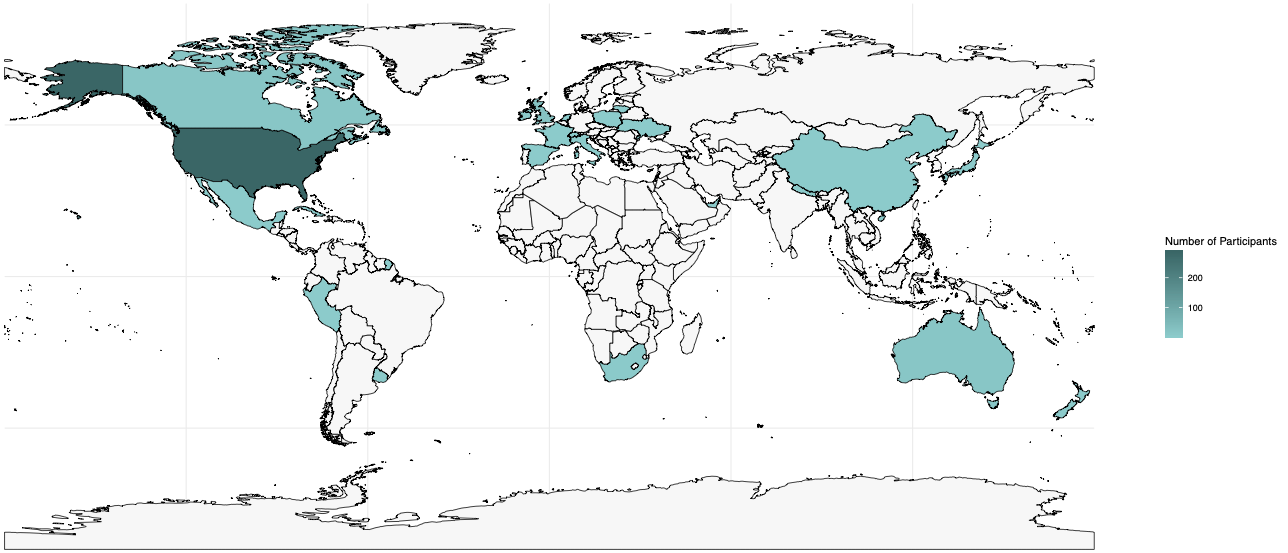
The RARE Registry features participants with acral, mucosal, and cutaneous melanoma from the United States and around the world. RARE welcomes patients from the United States and who are English-speaking residing in other countries to consent to participate in the registry. Presently, RARE is represented by participants from 24 countries, including Australia, Canada, China, Cuba, France, Ireland, Italy, Japan, Lithuania, Mexico, Nepal, Netherlands, New Zealand, Peru, Poland, Singapore, South Africa, Spain, Switzerland, Ukraine, United Arab Emirates, United Kingdom (includes England, Scotland, Wales, and Northern Ireland), United States, and Uruguay.
The majority of RARE participants are from or reside in the United States (78%). Over 86% of participants with cutaneous melanoma reside in the United States, compared to 76% of participants with acral melanoma and 75% of participants with mucosal melanoma. In Great Britain, Australia, and Canada, among several other countries, a higher percentage of RARE participants had acral melanoma or mucosal melanoma compared to cutaneous melanoma.
RARE is also represented by participants across all 50 states, with the most represented states including California (11%), Florida (7%), New York (6%), Minnesota (5%), and Virginia (5%).
To capture a broader range of patient experiences across acral, mucosal, and cutaneous melanoma, RARE is working to increase global participation. In addition to English, the RARE web portal will soon be available in the Spanish language, and at a later date, in the Portuguese and Chinese languages.
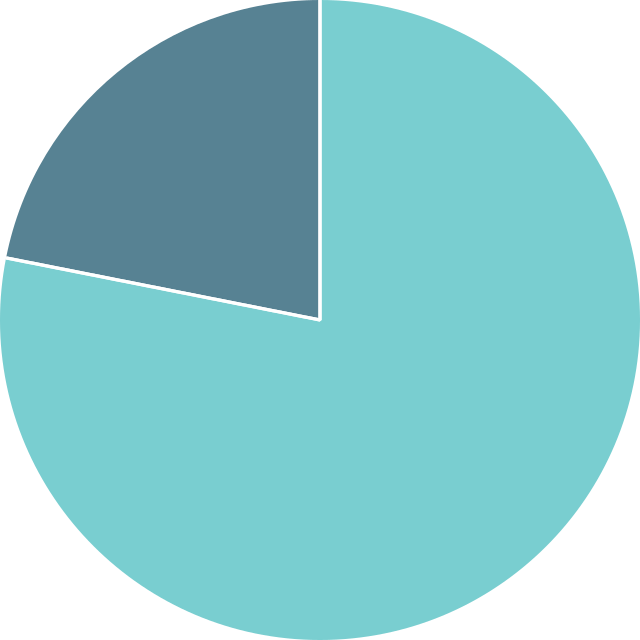
The majority of RARE participants (78%) identified as female, and this trend was observed across each of the three melanoma subtypes.
“MRA answered the call on every level. They were the only group who could do it all. They could find the funding to support it; they had the team in place to create the surveys needed to collect the most pertinent information; and they were familiar with other cancer registries. They also had the ambition and the compassion to make it happen with the patient community. Finally, they understood the immediate need — lives were on the line.”

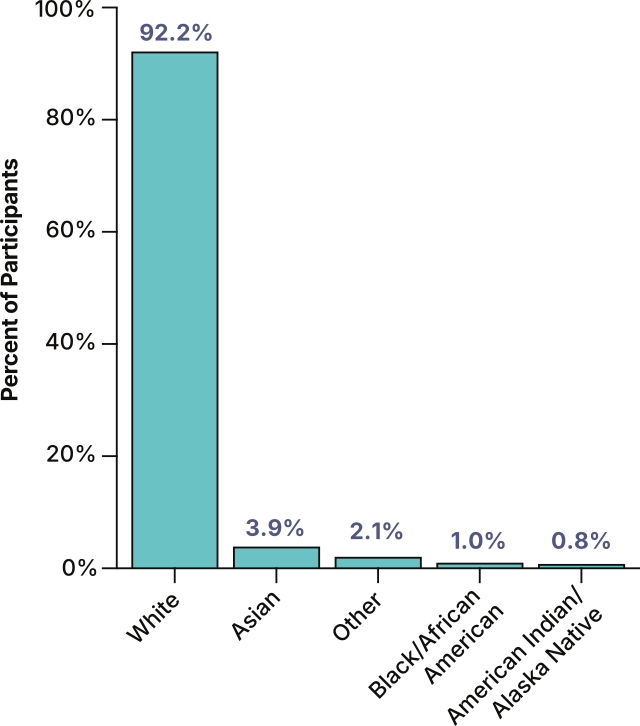
Across all melanoma subtypes, the majority of RARE participants identified as White (92%), followed by Asian (4%), Black or African American (1%), and American Indian or Alaska Native (1%). For participants with acral melanoma, 91% identified as White, 4% as Black or African American, and 3% as Asian. For participants with mucosal melanoma, 90% identified as White, 7% as Asian, and 2% as American Indian or Alaska Native. Nearly all participants with cutaneous melanoma (99%) identified as White.
Collectively, more than 96% of RARE participants did not identify as Hispanic, Latino(a), or Spanish. A total of 2% identified as Hispanic, Latino(a), or Spanish, 1% as Mexican, Mexican American, or Chicano(a), and less than 1% as Puerto Rican or Cuban.
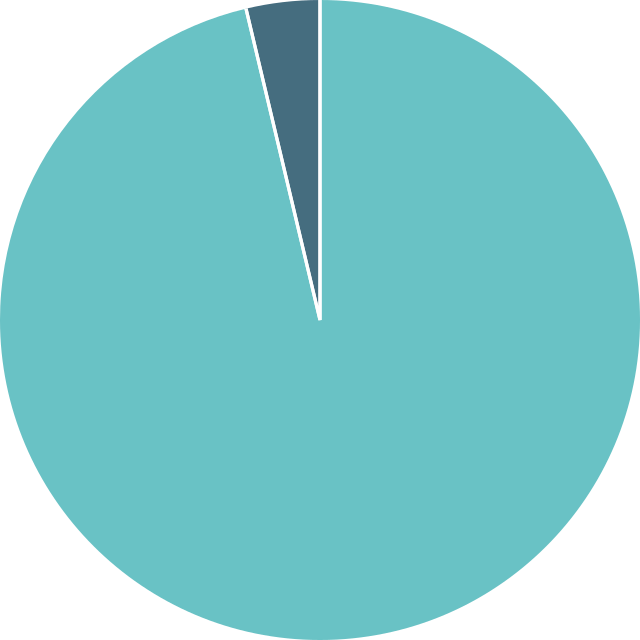
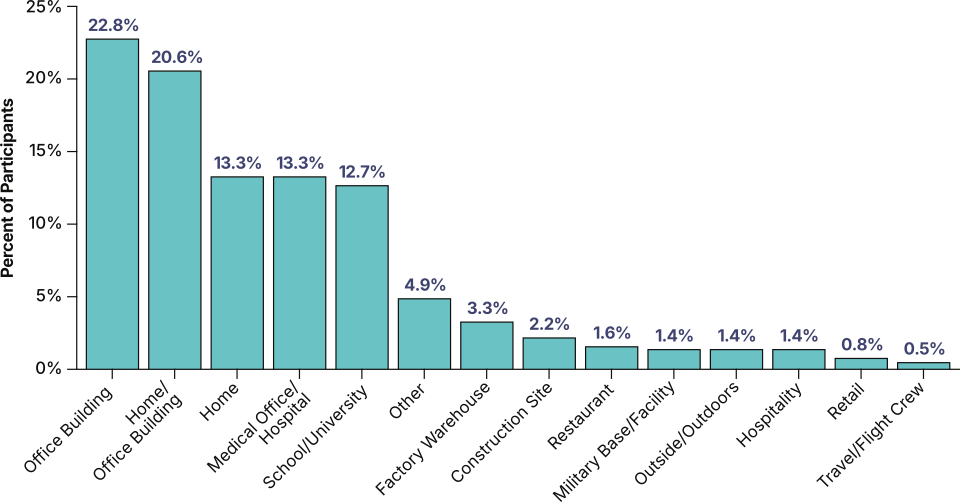
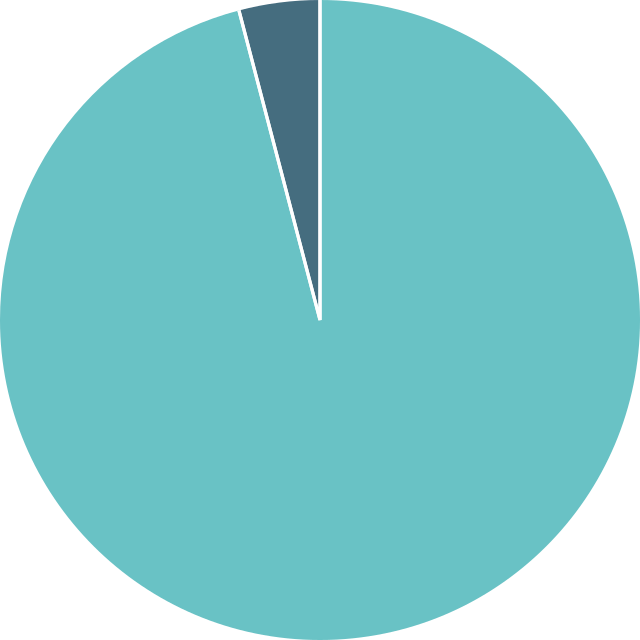
Across all three melanoma subtypes, approximately 96% identified having an indoor occupation compared to an outdoor occupation (4%). The most common occupation setting was an office building (23%) closely followed by a hybrid office/home setting (21%). A primary work setting at a factory or warehouse, construction site, or military base or facility was more common among those with acral and mucosal melanoma (8%) compared to cutaneous melanoma (4.3%).
Researchers are working towards an understanding of the risk factors, including occupational exposures, that may potentially contribute to the development of rare melanoma subtypes like acral and mucosal melanoma. The MRA was involved in a recent study that identified an increased risk of acral melanoma in U.S. Veterans with documented Agent Orange exposure (Hwang et al., 2026).
Hwang, J. C., Huhmann, L. B., Cho, K., Goryachev, S. D., Starink, N., Weinstock, M. A., Asgari, M. M., Zheng, C., Lu, C., Feldman, T. C., Do, N. V., Gaziano, J. M., Semenov, Y. R., Hurlbert, M. S., Fillmore, N. R., & Hartman, R. I. (2026). Identification of Risk Factors for Acral Melanoma in US Veterans. JAMA dermatology, 162(3), 279–291. https://doi.org/10.1001/jamadermatol.2025.5827

