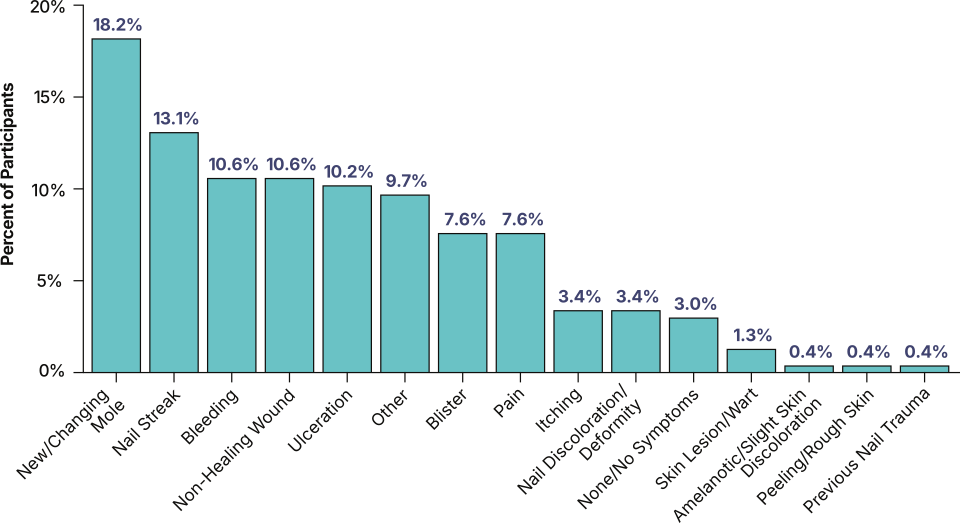
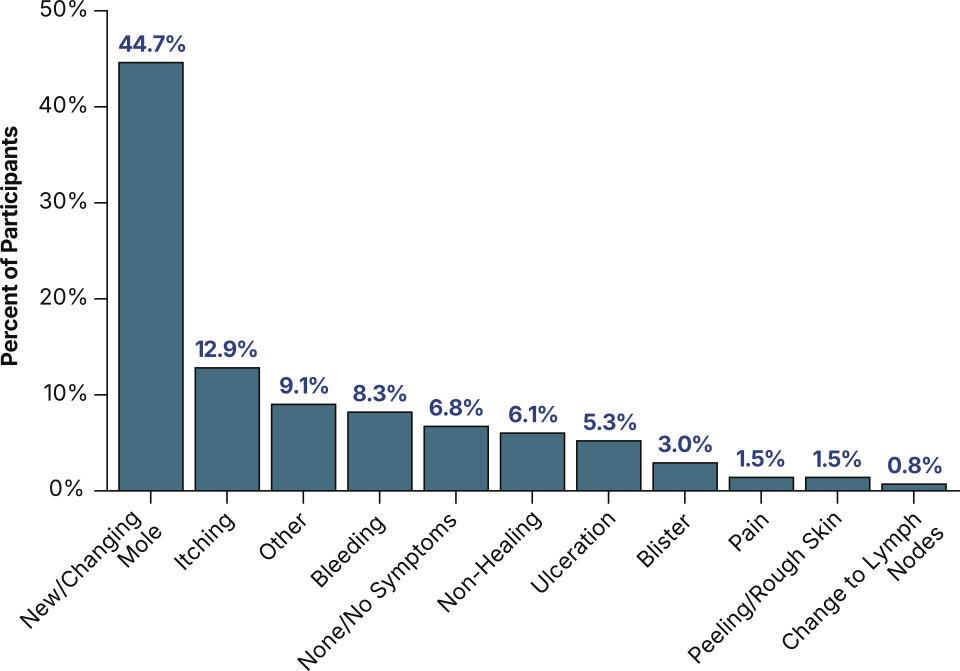
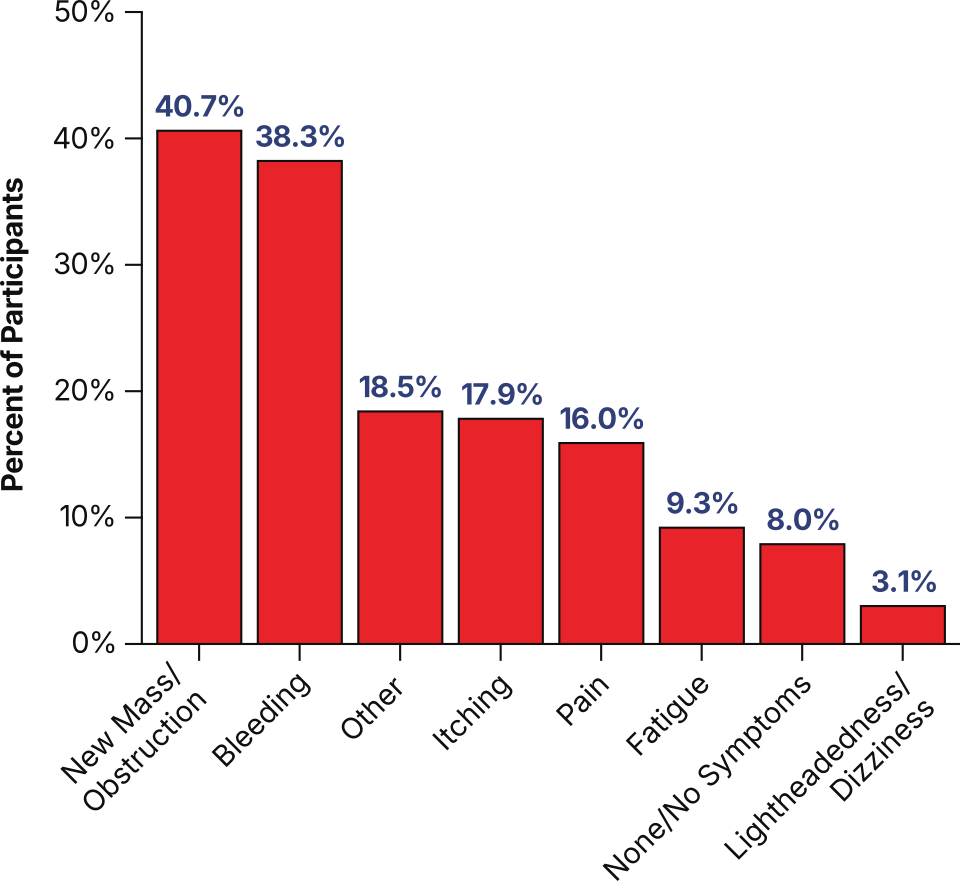
The initial symptoms of participants’ melanoma varied by subtype. For participants with cutaneous melanoma, 45% reported a new or changing mole, 13% reported itching, 8% reported bleeding, and 7% reported having no symptoms. The symptoms reported by participants with acral melanoma included 18% with a new or changing mole, 13% with a nail streak, 11% with bleeding, and 11% with a non-healing wound. The most common symptoms reported by participants with mucosal melanoma included 41% with a new mass or obstruction and 38% with bleeding.
Participants with acral and mucosal melanoma reported a median number of two initial symptoms of their disease, compared to participants with cutaneous melanoma who reported a median number of one symptom.
The initial symptoms of mucosal melanoma also varied by the initial site or origin of the disease. Common symptoms of anorectal mucosal melanoma (mucosal melanoma of the anus or rectum) included anorectal masses (57%), rectal bleeding (55%), pain (20%), and painful defecation (18%). Participants with sinonasal mucosal melanoma (mucosal melanoma of the nose or sinuses) reported initial symptoms including a nasal obstruction (58%), nose bleeds (47%), and pain (23%). The most frequently reported symptoms of vulvovaginal mucosal melanoma (mucosal melanoma of the vulva, vagina, or cervix) were itching (44%), bleeding (44%), a vaginal mass (24%), and a non-healing wound (20%).
The age (in years) at which participants noticed their first symptoms differed by melanoma subtype. Participants with cutaneous melanoma reported initial symptoms at a younger age compared to participants with acral and mucosal melanoma.
Participants with cutaneous melanoma reported noticing their first symptoms at an average age of 39 years old. For participants with acral and mucosal melanoma, the average age at which symptoms first appeared was 50 years old and 56 years old, respectively.
In participants with acral and cutaneous melanoma, female patients were younger than male patients when symptoms were first noticed. Initial symptoms of acral and cutaneous melanoma appeared in females that were, on average, approximately 7 and 12 years younger than males, respectively. Both females and males with mucosal melanoma reported initial symptoms at identical ages.

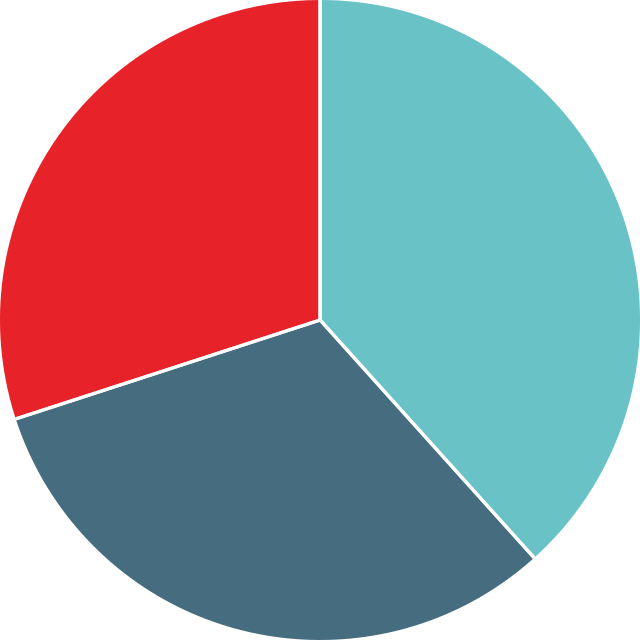
Number of Participants
Acral: 97
Cutaneous: 73
Mucosal: 152
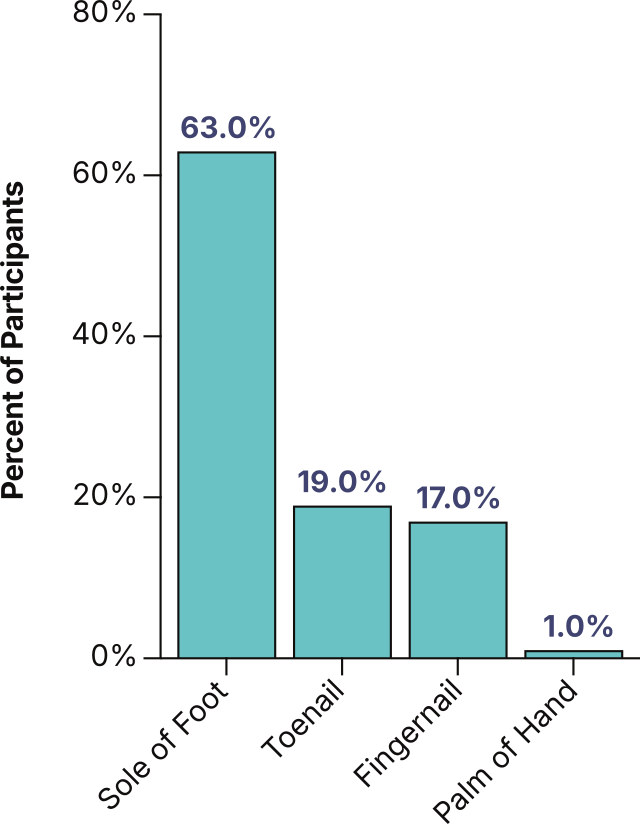
Among RARE participants with acral melanoma, the sole of the foot (63%) was the most common origin site of their disease, followed by the toenail (19%) and fingernail (17%), with fewer participants diagnosed with acral melanoma on the palm of the hand (1%). This pattern was similar between female and male participants with acral melanoma.
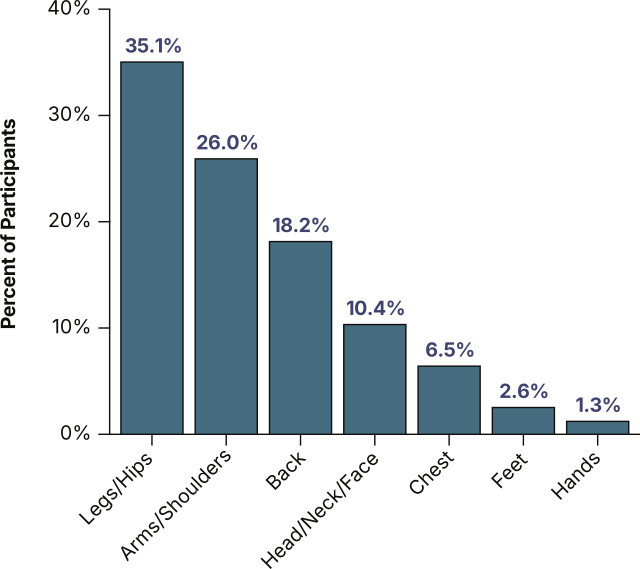
Participants with cutaneous melanoma reported an origin site of their disease including the legs or hips (35%), arms or shoulders (26%), and back (18%), with head, neck, or face (10%), chest (7%), foot (3%), and hand (1%) involvement reported by fewer participants. The predominant site of cutaneous melanoma varied by gender, with females reporting their disease originated most frequently on the legs or hips (39%) and males reporting their disease originated most frequently on the head, neck, or face (27%).
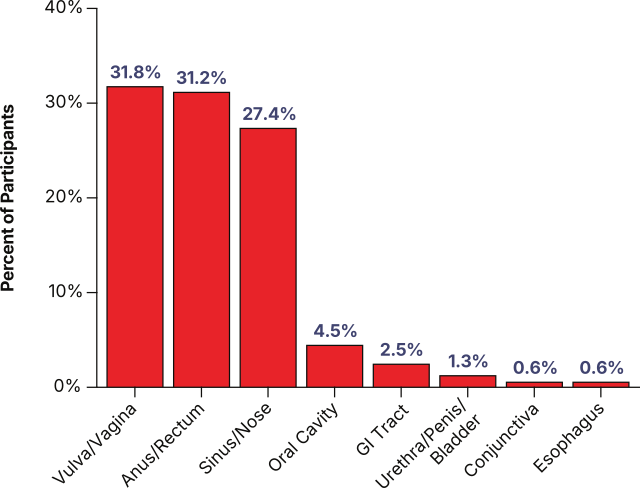
Across participants with mucosal melanoma, the origin site of the disease most often occurred in the vulva or vagina (32%), anus or rectum (31%), and sinuses or nose (27%), with fewer participants having involvement of the mouth or oral cavity (5%), gastrointestinal tract (3%), urinary tract (1%), conjunctiva (<1%), and esophagus (<1%). 39% of females reported their mucosal melanoma originated in the vulva or vagina. For males, 49% reported their mucosal melanoma originated in the anus or rectum.
Unlike cutaneous melanoma, which is predominantly diagnosed on skin exposed to the sun or ultraviolet radiation, rare melanomas like acral and mucosal melanoma arise from parts of the body with limited to no sun exposure.
Among all RARE participants, most presented with primary or local disease at initial diagnosis. 79% of participants with cutaneous melanoma were diagnosed at this early stage compared to 61% of participants with acral melanoma and 67% of participants with mucosal melanoma.
Participants with mucosal melanoma reported a comparatively higher burden of metastatic or distant disease at initial diagnosis (13% of participants) compared to acral melanoma (4% of participants) and cutaneous melanoma (3% of participants).
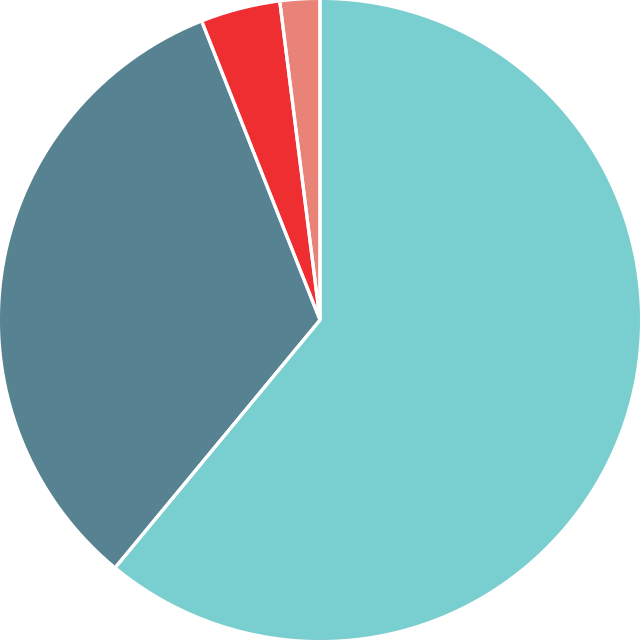
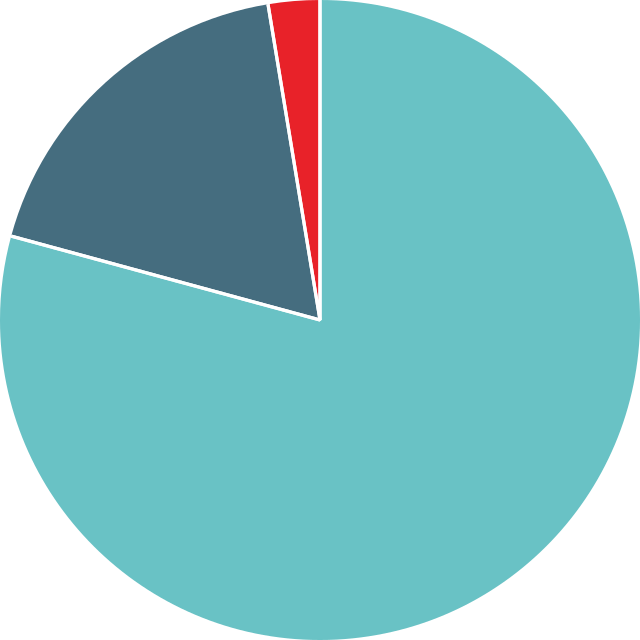
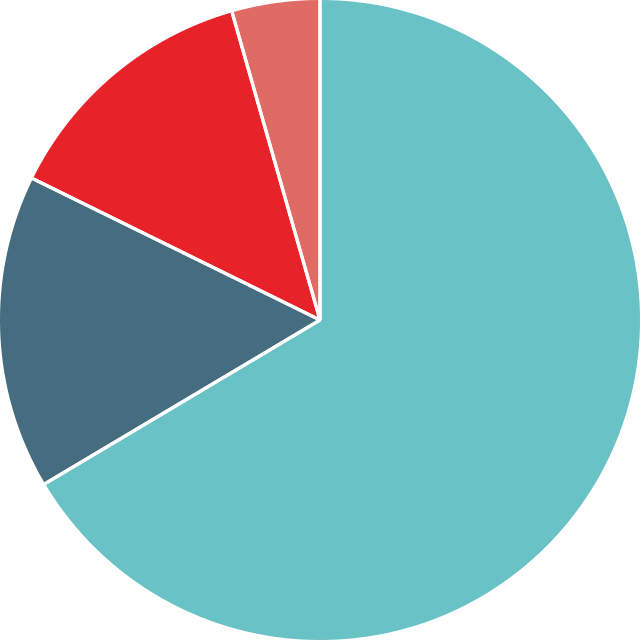
Real-world data reports that rare melanomas are typically diagnosed at more advanced stages of the disease.
The age (in years) at which participants were first diagnosed differed across melanoma subtypes, with participants being diagnosed with acral or mucosal melanoma at an older age compared to those with cutaneous melanoma. Participants with cutaneous melanoma were on average 42 years old when initially diagnosed compared to those with acral melanoma (an average of 52 years old) and mucosal melanoma (an average of 57 years old).
Females, compared to males, were younger in age when first diagnosed with acral or cutaneous melanoma. At the time of diagnosis, females with acral melanoma were on average 6 years younger than males; females with cutaneous melanoma were on average 18 years younger than males. The average age at diagnosis for female and male participants with mucosal melanoma was the same.
The average time (in years) between when symptoms first appeared and a diagnosis was made differed by melanoma subtype: an average of 3 years for participants with cutaneous melanoma, 2 years for participants with acral melanoma, and 1 year or less for participants with mucosal melanoma.
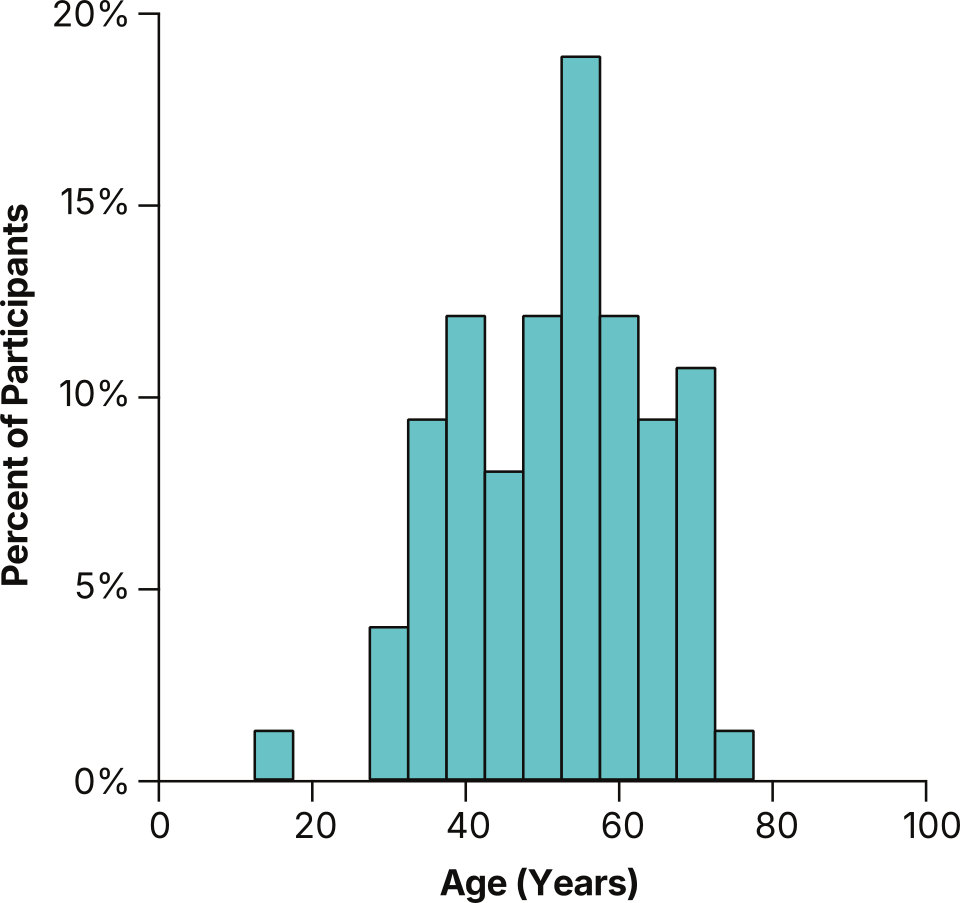
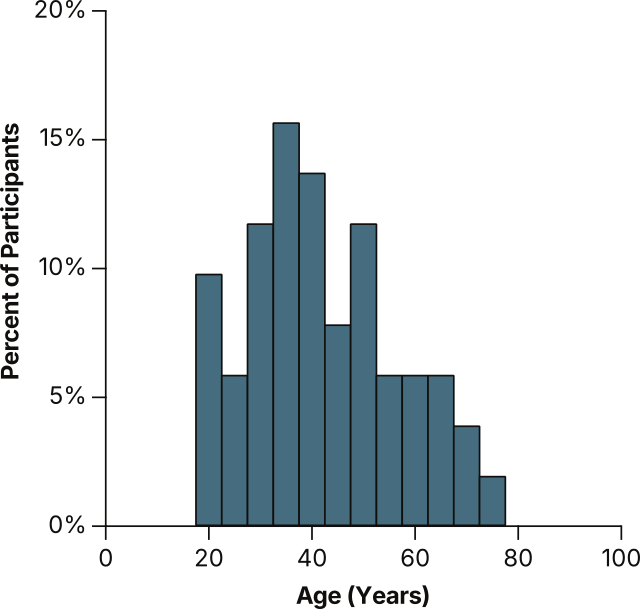
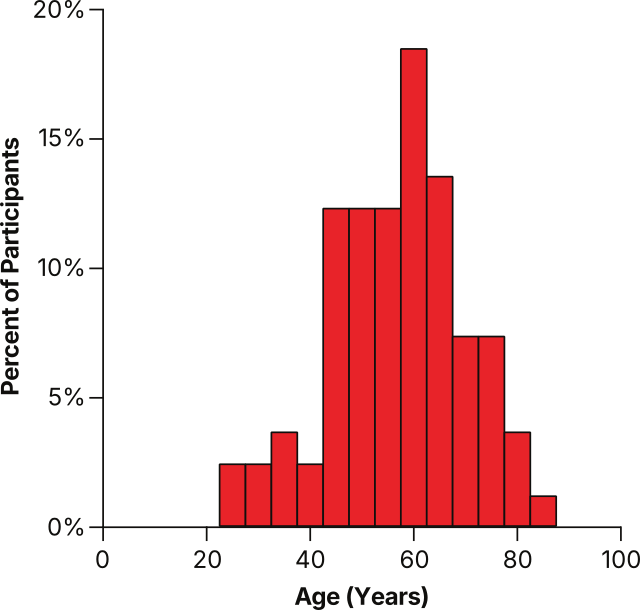
Melanoma of the skin is one of the ten most common cancers in young adults between the ages of 15-39 years old, especially in young women (SEER 21, 2019–2023; https://seer.cancer.gov/statfacts/).
For some melanoma subtypes, the incidence of melanoma varies by age. In mucosal melanoma, more than half of patients are diagnosed in older adults over the age of 60 years old (Sergi et al., 2023).
Sergi, M. C., Filoni, E., Triggiano, G., Cazzato, G., Internò, V., Porta, C., & Tucci, M. (2023). Mucosal Melanoma: Epidemiology, Clinical Features, and Treatment. Current oncology reports, 25(11), 1247–1258. https://doi.org/10.1007/s11912-023-01453-x
Overall, 52% of RARE participants reported their melanoma had progressed to metastatic disease. Higher rates of metastatic progression occurred in participants with mucosal melanoma (53%) compared to participants with acral melanoma (41%) and cutaneous melanoma (43%). Among all RARE participants with metastatic disease, 70% were male and 30% were female.
Routine imaging-based testing accounted for the majority of metastatic disease detection (47%) before symptoms were noticed by the participant. 28% of participants noticed symptoms or changes that led to the detection of metastatic disease.
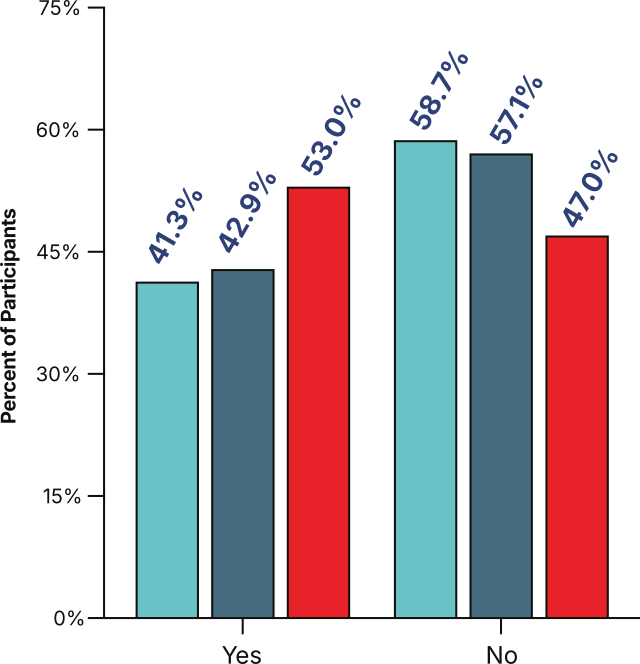
Melanoma progression in RARE participants was frequently characterized by involvement of multiple body sites. Across all melanoma subtypes, RARE participants identified that the most common sites their melanoma spread to involved the regional lymph nodes (58%), lungs (29%), distant lymph nodes (15%), liver (13%), and bones (11%). Less frequent sites included the head and neck (6%), adrenal gland (3%), and gastrointestinal tract (3%).
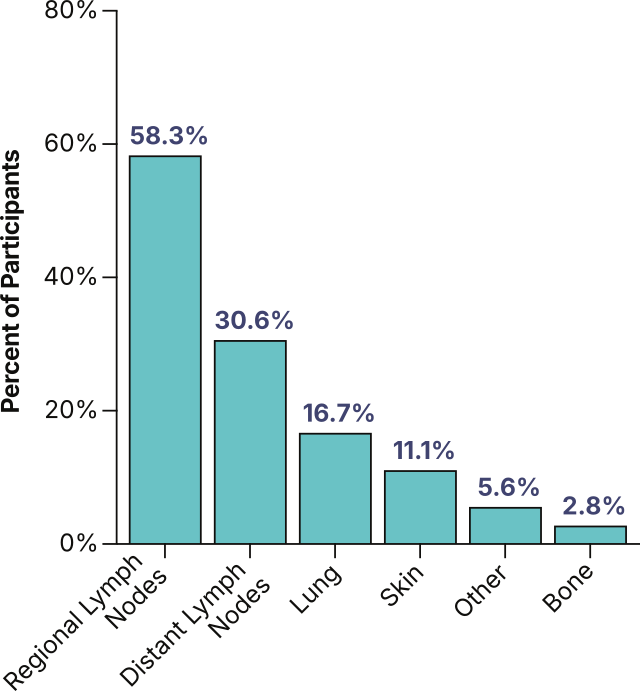
Of the participants with metastatic acral melanoma, the sites of metastasis involved the regional lymph nodes (58%), distant lymph nodes (31%), lungs (17%), skin (11%), bones (3%), and other sites (6%) like the gastrointestinal tract.
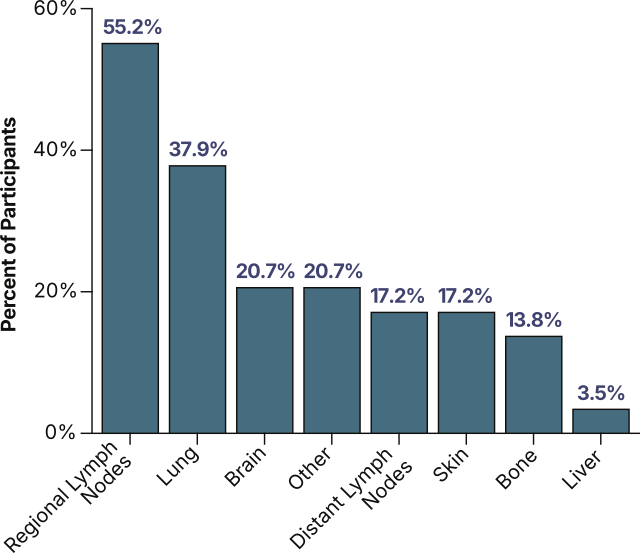
Participants with cutaneous melanoma reported their disease had spread to the regional lymph nodes (55%), lungs (38%), brain (21%), distant lymph nodes (17%), and other sites (21%) such as the adrenal gland, head and neck region, breasts, and gastrointestinal tract.
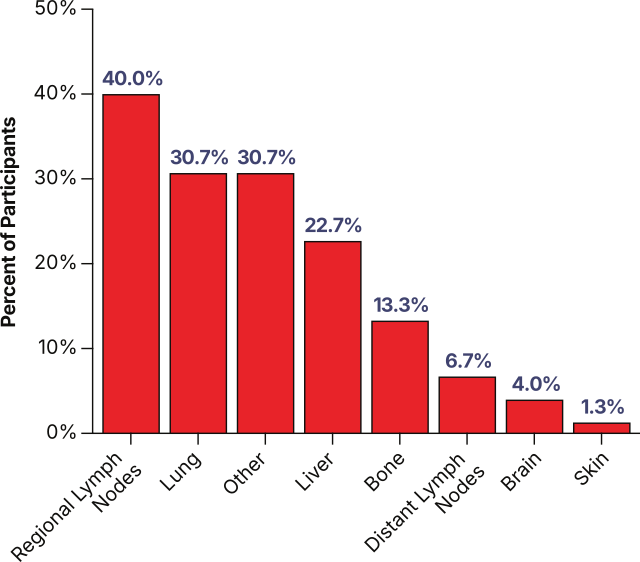
Metastatic mucosal melanoma was identified to spread to the regional lymph nodes (40%), lungs (31%), liver (23%), bones (13%), distant lymph nodes (7%), and other sites (31%). Other sites, less frequently, included the head and neck region, adrenal gland, breasts, gastrointestinal tract, and kidneys.
RARE participants reported an average age of 54 years old at the time of metastatic progression. Participants with cutaneous melanoma were of a younger age (average of 44 years old) than those with acral melanoma (average of 57 years) and mucosal melanoma (average of 56 years old).
For participants whose melanoma progressed to metastatic disease, the time from initial diagnosis to metastatic disease varied by melanoma subtype, with mucosal melanoma progressing the quickest (an average difference of less than 1 year), followed by acral melanoma (an average difference of 2 years) and cutaneous melanoma (an average difference of 4 years).

Number of Participants
Acral: 35
Cutaneous: 29
Mucosal: 74
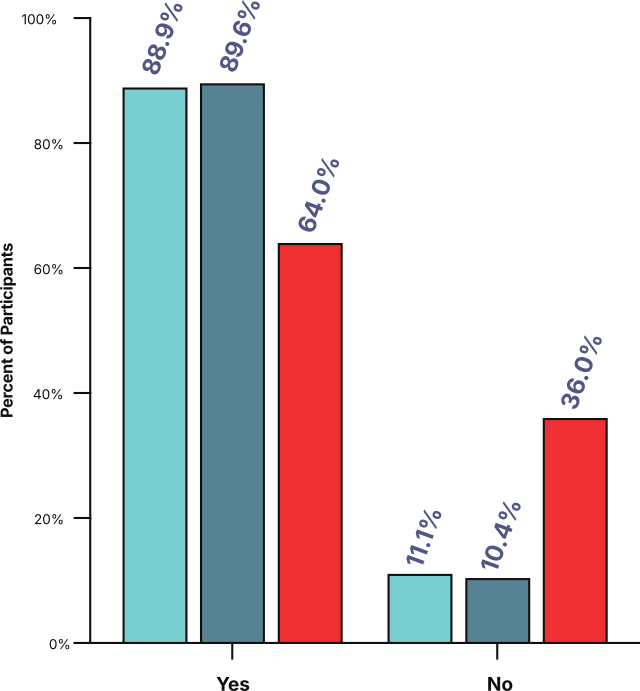
Most RARE participants (76%) underwent a biopsy to diagnose metastatic melanoma. Biopsy rates were similarly high among those with acral melanoma (89%) and cutaneous melanoma (90%), but considerably lower among participants with mucosal melanoma (64%). Across melanoma subtypes, the median number of biopsies was two, with greater variability in the number of biopsies for participants with mucosal melanoma. Across subtypes, the common biopsy sites for diagnosing metastatic melanoma involved the lymph nodes (39%) and less frequently the skin (14%), lungs (11%), liver (7%), head and neck region (3%), and bone (2%). Other biopsy sites reported by participants included the gastrointestinal tract, adrenal gland, kidneys, and breasts.

RARE participants shared concerns about being diagnosed with metastatic melanoma. Length of life was the most commonly reported concern (91%), followed by treatment side effects (59%), burden of disease on family and friends (46%), ability to continue working (32%), financial concerns (29%), and access to care (20%). Participants also reported worries about melanoma recurrence, lack of effective treatments, and mental health.
At the time of survey completion, 52% of RARE participants reported they had no evidence of disease, followed by 35% on therapy with active disease, and 12% on observation with active disease. 1% of all participants had passed away from their disease.
Active disease, whether on therapy or on observation, was highest among participants with mucosal melanoma (57%), followed by acral melanoma (42%), and cutaneous melanoma (33%). Among participants reporting no evidence of disease at the time of survey completion, the highest proportion had cutaneous melanoma (67%), followed by acral melanoma (57%), and mucosal melanoma (42%).
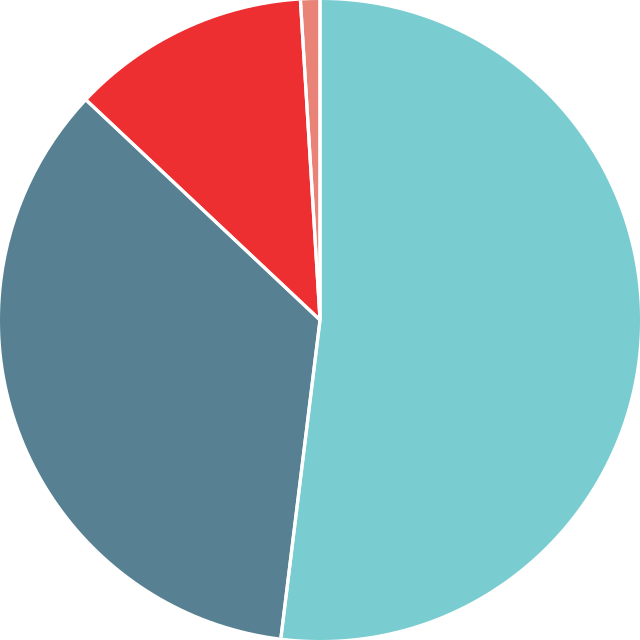
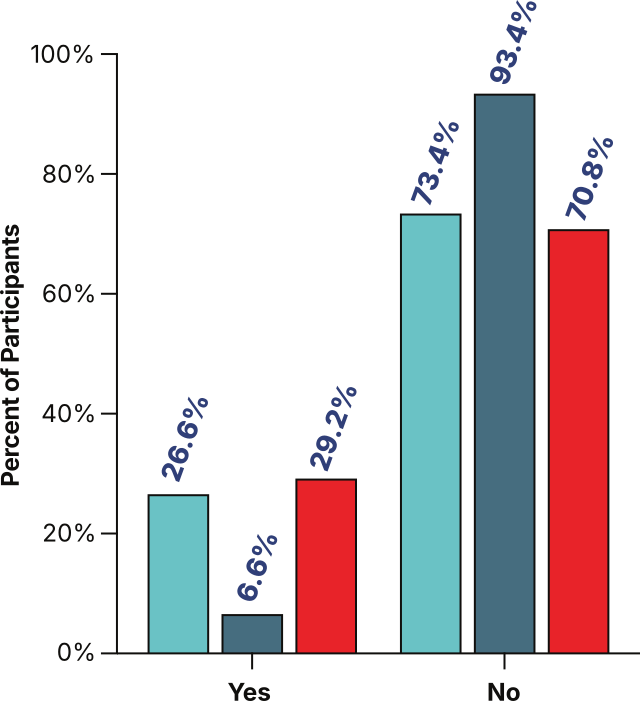
Among all participants of RARE, 23% identified having been diagnosed with cancer either before or after their melanoma diagnosis. A history of cancer was most commonly reported among participants with acral melanoma (27%) and mucosal melanoma (24%) than those with cutaneous melanoma (15%).
Most participants with a history of cancer reported one other cancer diagnosis (75%), followed by two (17%) or three or more (9%) other cancer diagnoses. Collectively, the majority of these cancer diagnoses (72%) occurred prior to a diagnosis of melanoma for participants, especially for participants with acral melanoma (82%) and mucosal melanoma (76%). In contrast, only 40% of participants with cutaneous melanoma reported a history of cancer prior to their melanoma diagnosis.
For participants with acral melanoma with a history of cancer, the most frequently reported cancers were basal cell carcinoma, breast cancer, and squamous cell carcinoma. Among participants with cutaneous melanoma reporting a history of cancer, common cancer types included basal cell carcinoma and squamous cell carcinoma. Basal cell carcinoma, breast cancer, and non-Hodgkin lymphoma were the most frequent cancers reported by participants with mucosal melanoma.
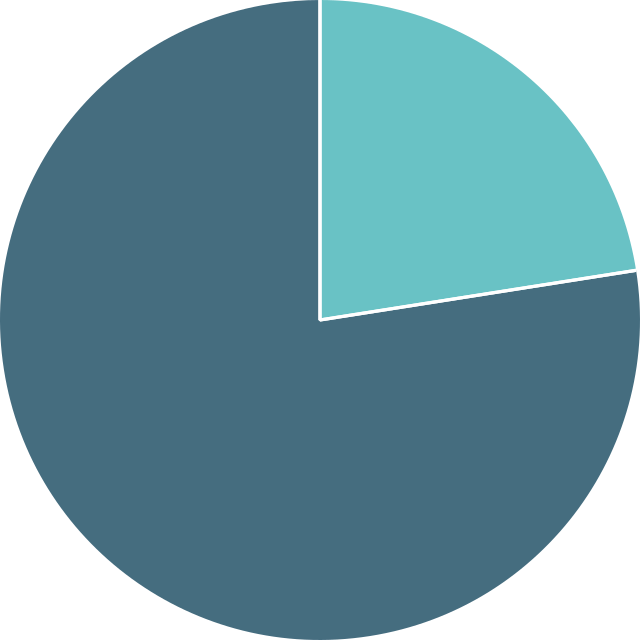
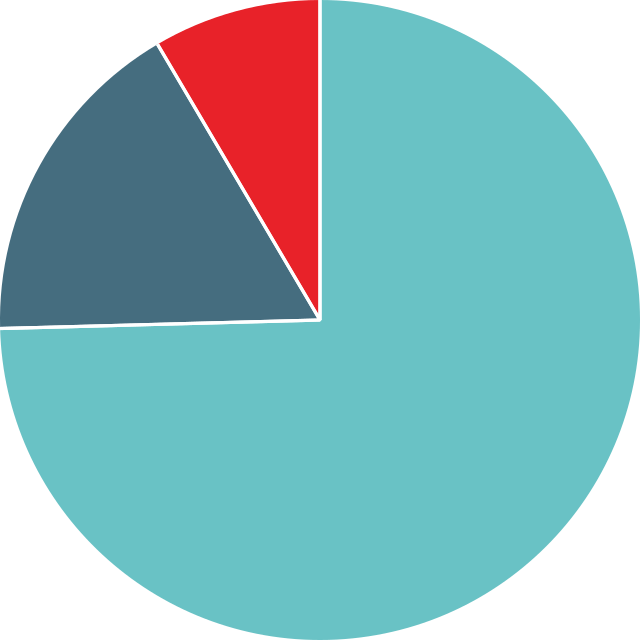
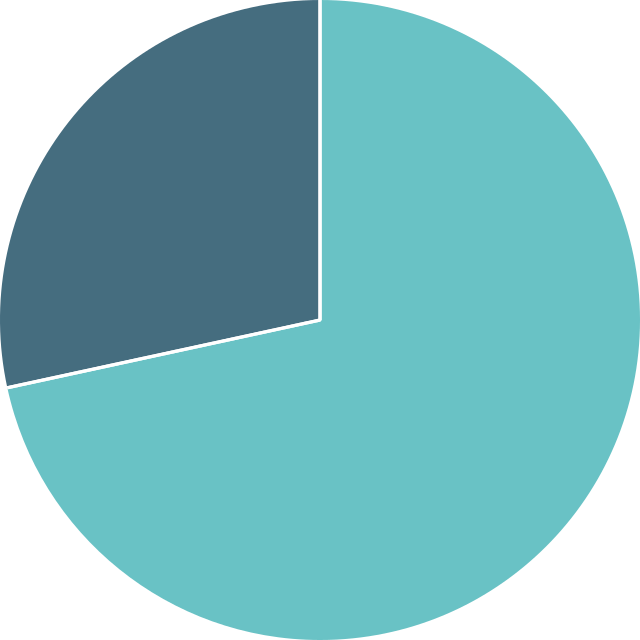
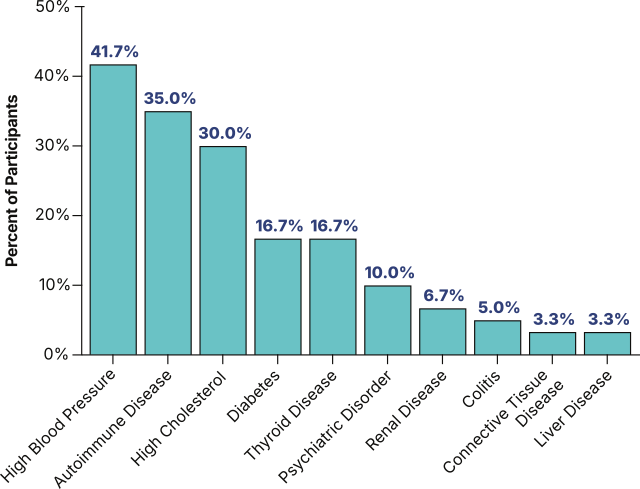
A history of chronic disease or illness prior to melanoma diagnosis was reported by 29% of participants with mucosal melanoma, 27% with acral melanoma, and 7% with cutaneous melanoma. Among participants with a prior chronic disease or illness, the most common conditions were high blood pressure (42%), autoimmune disease (35%), high cholesterol (30%), diabetes (17%), and thyroid disease (17%), among others. Participants with acral melanoma identified having other chronic diseases or illnesses such as asthma, migraine, irritable bowel disease, gastroesophageal reflux disease, gout, and long COVID. For participants with mucosal melanoma, other prior chronic diseases or illnesses reported included alopecia, endometriosis, asthma, chronic sinusitis, irritable bowel disease, among others.
Of participants with a prior chronic disease or illness, 38% had one condition, 32% had two conditions, and 30% had three or more conditions. Participants with acral melanoma most frequently reported having three or more prior chronic diseases (43%) compared to those with cutaneous melanoma (25%) or mucosal melanoma (23%).
Across all melanoma subtypes, approximately 26% of participants reported developing a chronic illness or disease following their melanoma diagnosis (whether from treatment side effects or not).