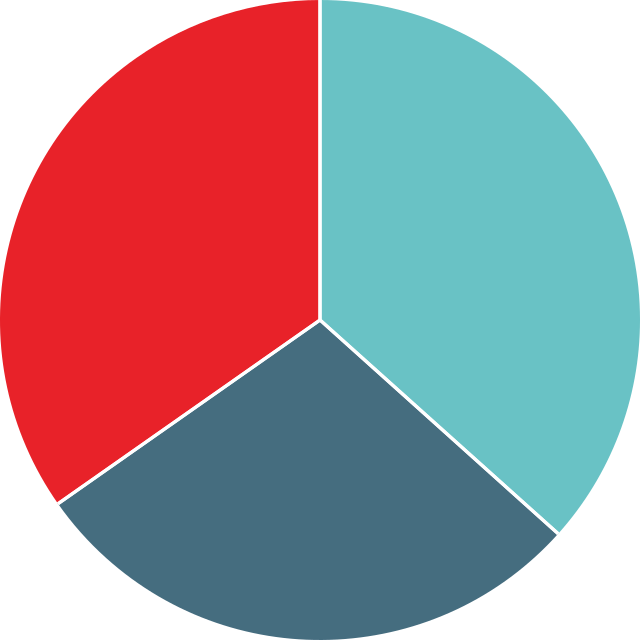
Across all melanoma subtypes, approximately 77% of participants reported a family history of cancer, excluding any type of melanoma. The most common types of cancer affecting family members included breast cancer (22%), lung cancer (13%), prostate cancer (11%), colon cancer (8%), pancreatic cancer (5%), leukemia (5%), and bladder cancer (4%), among several others.
Participants reported a history of cancer involving one family member (37%), two family members (32%), or three or more family members (31%). Of the family members affected by cancer, 49% were grandparents, 38% were parents, and 13% were siblings.
“For myself—and many—healing after melanoma is more in-depth than just physical healing. Finding an answer as to why the rare subtypes occur, and to contribute to science in a small way is exciting. With the RARE Registry, we can help make a difference for today, and for more tomorrows. The RARE Registry gives patients a way to make a change in the lens of research, treatment, and patient living.”

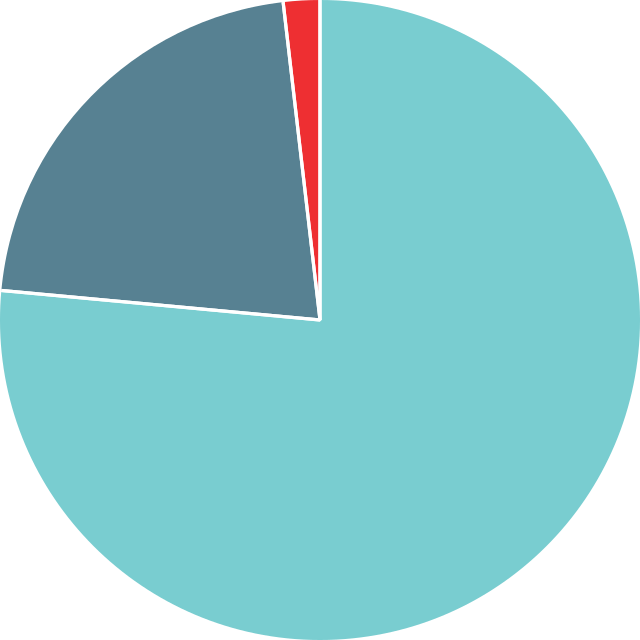
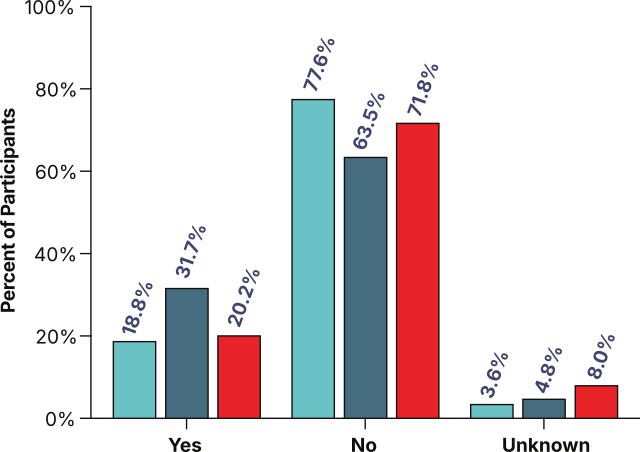
Among all RARE participants, 22% reported a family history of melanoma. A family history of melanoma was the most common among participants with cutaneous melanoma (32%), followed by mucosal melanoma (20%), and acral melanoma (19%).
The majority of these participants reported having one family member with a history of melanoma (76%), followed by two or more family members with a history of melanoma (24%). Of the family members affected by melanoma, 51% were parents, 29% were grandparents, and 20% were siblings.
The average age of family members diagnosed with melanoma was 60 years (median of 65 years, minimum of 21 years, and maximum of 94 years).
Genetic testing enables the detection of inherited gene changes in healthy (non-cancerous) cells that may predispose individuals to a higher risk of developing cancer, such as melanoma. In a subset of melanomas, these inherited changes can contribute to an individuals’ lifetime risk of developing the disease.
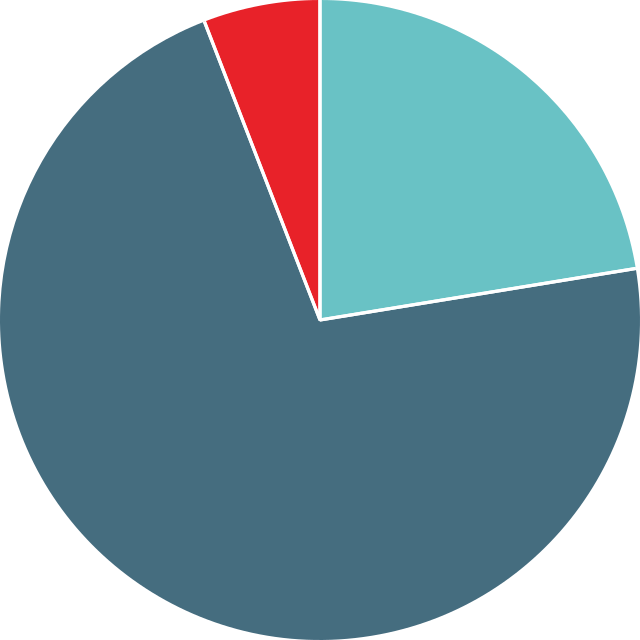
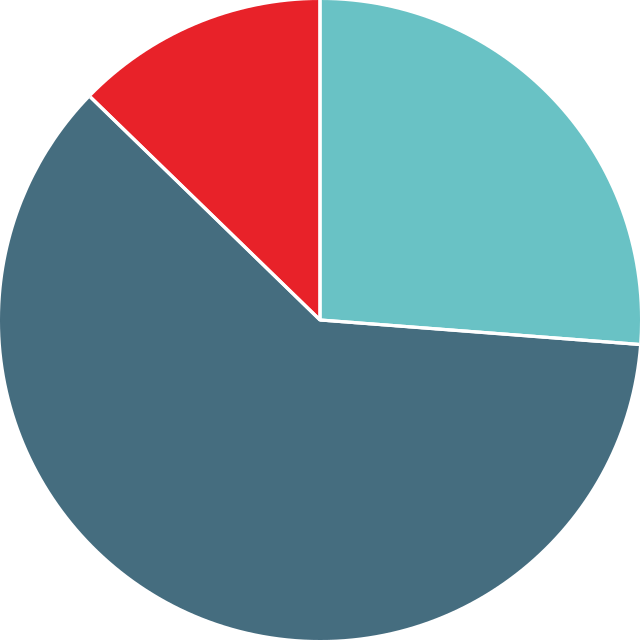
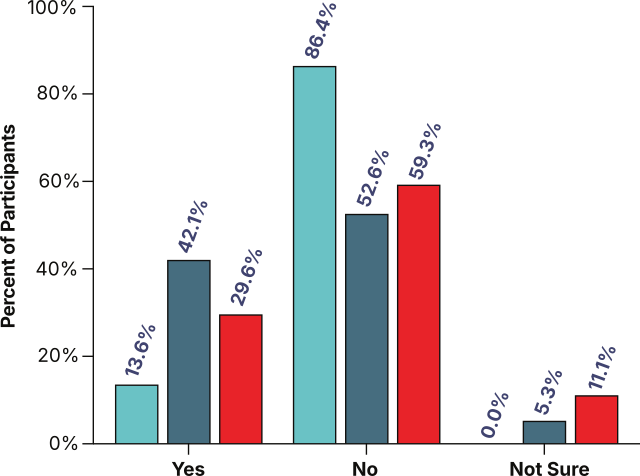
Among all RARE participants, 26% underwent genetic testing while the majority (61%) did not have genetic testing performed. 13% of participants were unsure of whether genetic testing had been performed. Genetic testing was most frequently performed among participants with cutaneous melanoma (32%), followed by acral melanoma (27%), and mucosal melanoma (23%).
Of participants who underwent genetic testing, the hospital laboratory (30%) was the most frequent site for testing to be performed, followed by Invitae (22%), and Ambry (16%). Other less frequent sites included Blueprint Genetics, Color Genomics, Myriad, and Tempus.
The presence of inherited gene mutations was reported by 42% of participants with cutaneous melanoma, 30% of participants with mucosal melanoma, and 14% of participants with acral melanoma. The percentage of inherited mutations in RARE participants may be higher than what has been reported in the literature for patients with cutaneous and rare melanoma subtypes (Toussi et al., 2020; Amouzegar et al., 2026). This may be explained by the relatively low number of RARE participant responses to this question.
Participants with acral melanoma identified inherited gene mutations in CDKN2A. Participants with cutaneous melanoma reported inherited gene mutations in BAP1, BRCA2, CDK4, CDKN2A, MITF, PTEN, and TERT. Inherited gene mutations were identified in ATM, CDK4, CDKN2A, MDM2, and others, among participants with mucosal melanoma.
Toussi, A., Mans, N., Welborn, J., & Kiuru, M. (2020). Germline mutations predisposing to melanoma. Journal of cutaneous pathology, 47(7), 606–616. https://doi.org/10.1111/cup.13689
Amouzegar, A., Wu, X., Long, J. P., Chen, G. W., Wong, J. W., Prabhakaran, S., Little, L., Gumbs, C., Bota, N., Malke, J., Simon, J., Zhang, J., Nagarajan, P., Davies, M. A., Tawbi, H., Amaria, R. N., Oliva, I. C. G., Ikeguchi, A. P., Su, S., Hanna, E. Y., … Futreal, P. A. (2026). Germline variants in cancer susceptibility genes among patients with mucosal melanoma. NPJ genomic medicine, 10.1038/s41525-026-00583-y. Advance online publication. https://doi.org/10.1038/s41525-026-00583-y
Biomarker testing often involves looking at the genetic alterations to DNA or genes present in cancer cells—these are known as acquired mutations and represent a type of tumor biomarker. Understanding the acquired mutations found in melanoma can help physicians understand more about how an individual’s melanoma may behave and respond to certain treatments.
Among all RARE participants, 37% had tumor biomarker testing performed to look for acquired mutations in the DNA of cancer cells. Tumor biomarker testing was most frequently reported by participants with mucosal melanoma (46%), followed by those with acral melanoma (29%) and cutaneous melanoma (29%).
The majority of participants had tumor biomarker testing performed through a hospital lab (53%), followed by Caris (7%), Tempus (5%), Foundation Medicine (4%), Guardant Health (3%), and others such as Natera and Castle Biosciences.
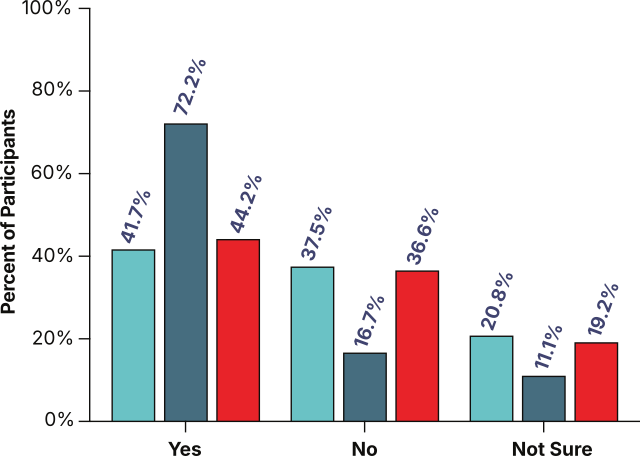
For participants that had biomarker testing performed, acquired mutations were found in 72% of those with cutaneous melanoma, 44% of those with mucosal melanoma, and 42% of those with acral melanoma. Participants with acral melanoma identified acquired gene mutations in BRAF, CDK4, CRKL, FRS2, KIT, MDM2, NF1, NRAS, PAK1, RSF1, and YEATS4. Among those with cutaneous melanoma, acquired gene mutations were identified in BRAF, GNAQ, GNA11, NRAS, PTEN, and TP53. Participants with mucosal melanoma reported acquired gene mutations in ATR, BLM, BRAF, CDK4, CDKN2A-p14, CDKN2A-p16, KIT, KRAS, NF1, NRAS, RB1, SF3B1, and TP53.