.png)
Melanoma does not discriminate - it can impact anyone at any stage of life regardless of their race or ethnicity. That is why it is so important to regularly check your skin and see a dermatologist to evaluate any potential changes to your skin. Melanoma research has made great strides in providing effective treatments for patients, but the racial demographics of patients represented in surveys and studies do not reflect the true diversity of those impacted by melanoma. While approximately 36% of the US population is non-white (or identify as Hispanic, Black/African American, or Asian), less than 5% of patients who participate in melanoma clinical trials are non-white. "For example, in the BRIM-3 (NCT01006980) clinical trial, which led to the approval of the BRAF inhibitor vemurafenib, 671 out of 672 (99.9%) patients were of white race, and in the CheckMate067 (NCT01844505) clinical trial, which led to the approval of the combination of the immunotherapies nivolumab plus ipilimumab, 921 out of 945 (97.5%) patients were of white race," wrote the authors of the study Un-Fair Skin: racial disparities in acral melanoma research.
Asian American and Pacific Islander (AAPI) patients are especially underrepresented in melanoma research and may be overlooked when it comes to timely care and treatment for this cancer, leading to gaps in treatment and diagnoses.
Despite having improved health outcomes compared to other racial/ethnic minorities, AAPI people are dying at a higher rate from cancer, including skin cancers like melanoma.
In general, AAPI people have lower screening rates for all cancer compared to other races and ethnicities, including melanoma.
Additionally, for AAPI patients with melanoma, the disease is often diagnosed at advanced stages when melanoma is more challenging to treat.
Combined with socioeconomic disparities such as lower median incomes and less health insurance coverage among certain ethnic subgroups, these all compound to lead to more cases and ultimately, more lives lost to melanoma.
Expanding resources for AAPI patients with melanoma and increasing their representation in melanoma research and clinical trials are important steps towards addressing these longstanding gaps in timely diagnosis and access to care. Strengthening these efforts will help ensure that all melanoma patients benefit from advances in treatment and improved health outcomes.
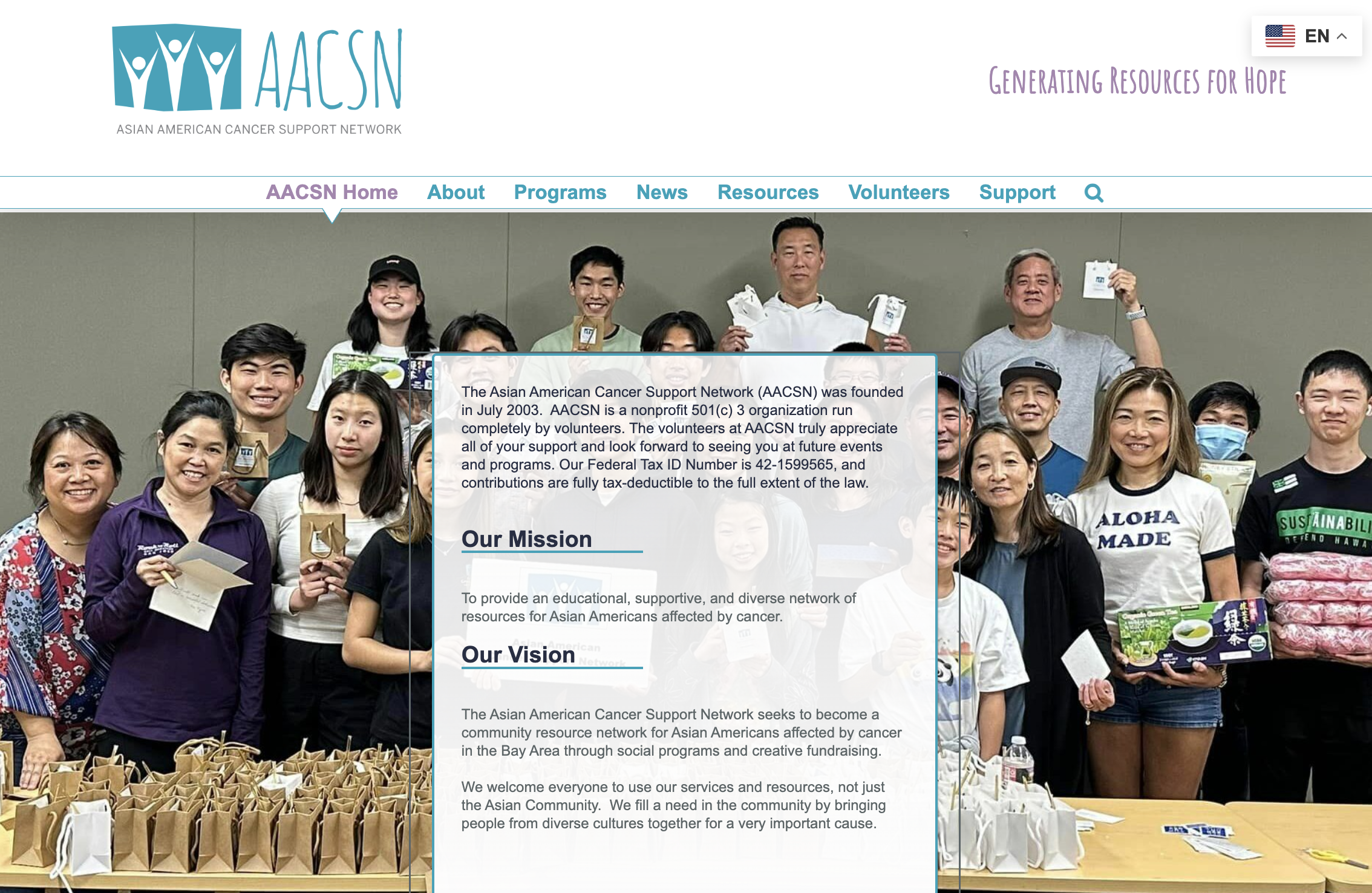
Below is a list of current resources tailored for AAPI patients with melanoma. Be sure to ask your doctor about more resources that may be available in your area.

At MRA, we are committed to promoting early detection and prevention among all people. Our advice remains the same: protect your skin using sunscreen and UPF clothing, check your skin for changes and signs of melanoma, and call your doctor as soon as you notice any skin concerns.


.png)
.png)
.png)